

Description
Relive the Groove
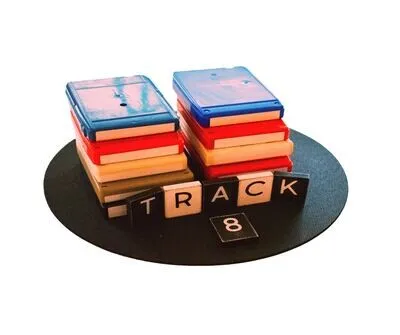
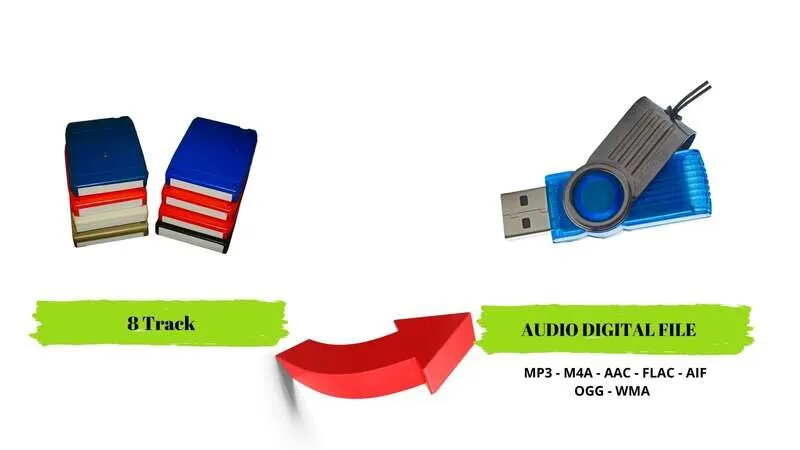
Do you have a boxes of vintage 8-track tapes gathering dust in your attic or closet? Don’t let your favorite classic rock, soul, or country albums fade away into history. Our premier media conversion service breathes new life into your nostalgic analog collection, transforming those iconic plastic cartridges into high-fidelity digital audio files you can listen to anywhere, anytime.
What is an 8-Track Tape
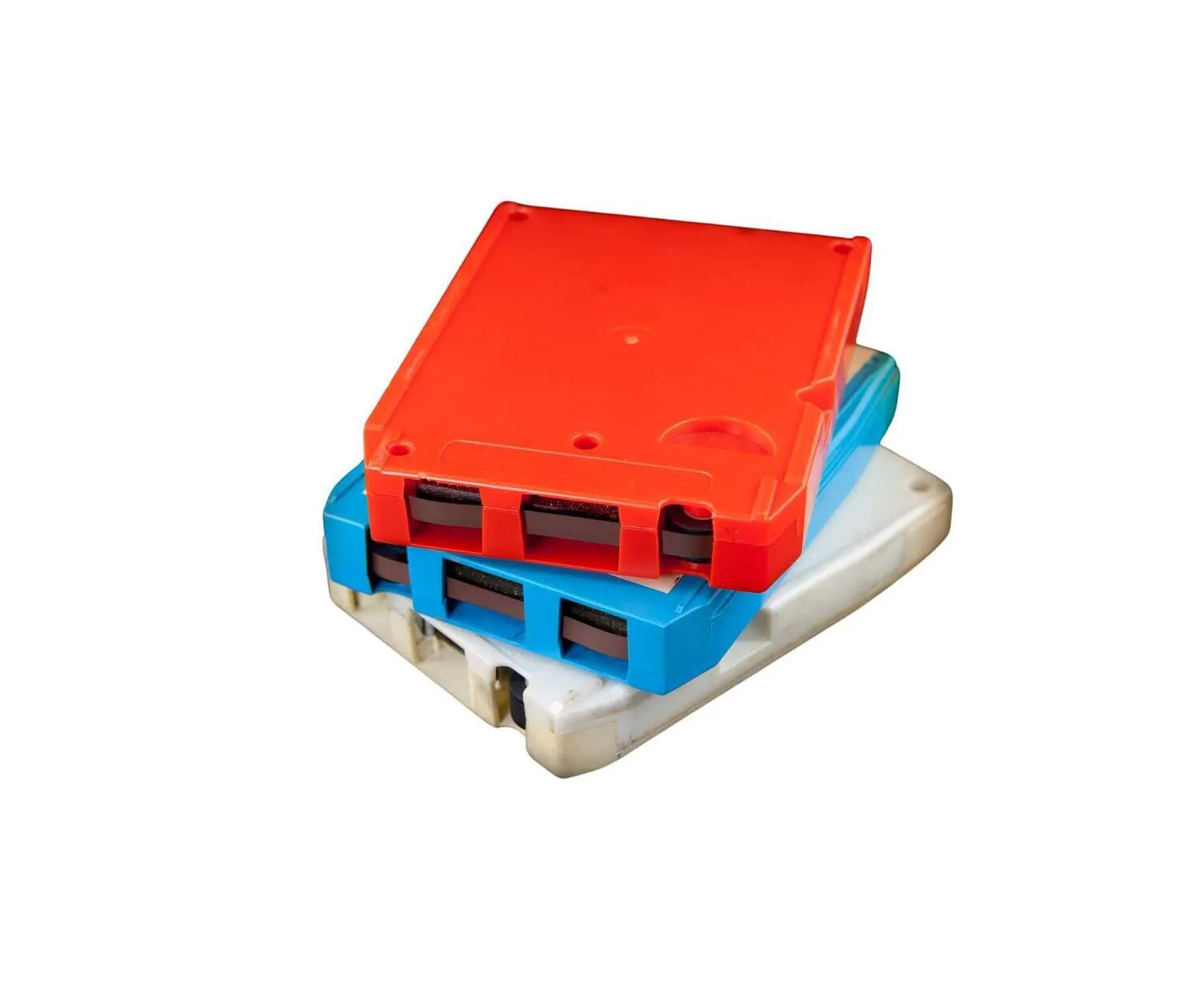
Introduced in the mid-1960s, the 8-track tape (officially the Stereo 8) was the king of high-fidelity mobile music, dominating the dashboard stereos of muscle cars throughout the 1970s. Unlike standard cassettes, an 8-track utilizes a unique endless-loop system on a single reel. The magnetic tape is divided into four pairs of stereo tracks. As the tape plays, a mechanical playback head physically moves up and down to change channels (often accompanied by that classic, nostalgic clunk sound). Because the tape is constantly under tension and relies on a delicate foam pressure pad inside the cartridge, these physical tapes degrade rapidly over time.
Why Convert Your 8-Tracks to Digital
Analog tape has a shelf life. Every year that passes puts your priceless audio at risk. Here is why upgrading to digital is a must:
-
Permanent Preservation: Digital files never wear out, demagnetize, or suffer from tape bleed. Your music is preserved forever.
-
Modern Accessibility: Listen to your favorite tracks on your smartphone, tablet, computer, or modern car stereo. No clunky hardware required.
-
Enhanced Sound Quality: Time takes a toll on analog tape, causing hiss and muffled tones. Our conversion process includes professional optimization to bring back the clarity of the original recording.
-
De-clutter Your Space: Free up shelf space by digitizing massive plastic cartridge collections onto a single, pocket-sized flash drive or cloud storage link.
Digital File Formats We Offer
We don’t believe in a one-size-fits-all approach. We convert your 8 track tapes into the specific digital format that best fits your needs:
Uncompressed Lossless Formats
These formats capture the exact, raw sound waves from the original recording without any data discarding.
-
WAV (Waveform Audio File Format): The absolute gold standard for Windows and studio production. It stores raw audio data perfectly, but the files are massive (roughly 10 MB per minute of audio).
-
AIFF (Audio Interchange File Format): Apple’s equivalent to WAV. It performs identically to WAV in terms of quality and size, but historically handled track information (metadata like artist and album tags) slightly better on Mac systems.
Compressed Lossless Formats
Think of these like a ZIP file for your music. They compress the data to save space, but when you hit play, they unpack the files perfectly without losing a single bit of information.
-
FLAC (Free Lossless Audio Codec): Open-source, widely supported, and incredibly efficient. It slashes raw uncompressed file sizes by roughly 50% while maintaining identical audio quality. It is the preferred format for audiophiles and high-res music downloads.
-
ALAC (Apple Lossless Audio Codec): Apple’s proprietary version of FLAC. If you use Apple Music or the iOS ecosystem and want studio-grade quality, this is what you use.
Lossy Formats
Lossy compression uses “psychoacoustics”—a fancy term for cutting out sounds the human ear can’t easily perceive (like a quiet instrument playing right after a loud cymbal crash). This shrinks the file size down to about 10% to 20% of the original, making them perfect for streaming and everyday listening.
-
MP3 (MPEG-1 Audio Layer III): The most famous audio format in history. While technically outdated, its universal compatibility means it will play on literally any device on earth.
-
AAC (Advanced Audio Coding): The successor to MP3. At the exact same file size (or bitrate) as an MP3, an AAC file sounds significantly cleaner and handles high frequencies much better. It is the default format for YouTube, Apple Music, and Bluetooth streaming.
-
OGG / Opus: Highly efficient open-source formats. OGG Vorbis is famously utilized by Spotify for its streaming catalogue, while the newer Opus codec is exceptional for real-time applications like Discord voice chat.
Our Seamless Conversion Process
We treat your vintage audio media with the utmost care, guiding each tape through a meticulous, multi-step restoration and preservation journey:
-
Inspection & Repair: We inspect every cartridge before playback.
-
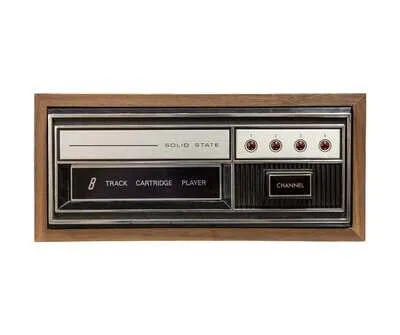
Studio-Grade Playback: Tapes are played on meticulously calibrated, vintage 8-track decks connected to high-end analog-to-digital converters (ADCs).
-
Audio Restoration: Our audio engineers apply subtle noise reduction to minimize inherent tape hiss, clicks, and pops without sacrificing the warm, original analog character.
-
Track Splitting: We don’t just give you one massive, hour-long audio file. We carefully split the audio into individual, properly named tracks.
-
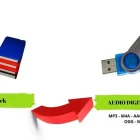
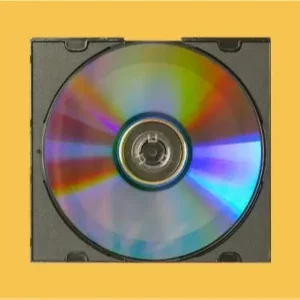
Digital Delivery: Receive your files via a private gallery on our website with a Download link, a USB Flash Drive, or a traditional Audio CD.
Why Choose Us
“We don’t just copy tape—we preserve memories.”
-
True Analog Experts: We understand the quirky mechanics of endless-loop cartridges. We don’t just jam your tape into a cheap player; we gently restore the media before a single note is played.
-
Cutting-Edge Equipment: We use studio-grade gear and software to ensure your digital files sound as rich and vibrant as the day the tape was pressed.
-
Safe & Secure Handling: Your irreplaceable tapes never leave our hands. Our facility is climate-controlled, secure, and fully insured.
-
Satisfaction Guaranteed: We are dedicated to providing the cleanest, crispest sound possible. If you aren’t thrilled with the preview of your audio, we will re-transfer it at no extra cost.
Ready to rescue your music?
[Get Your Free Quote Today] and turn those retro cartridges into timeless digital playlists!

There are no reviews yet.